
Production Inspection vs. PSI Inspection: What Importers Sourcing from China Need to Know
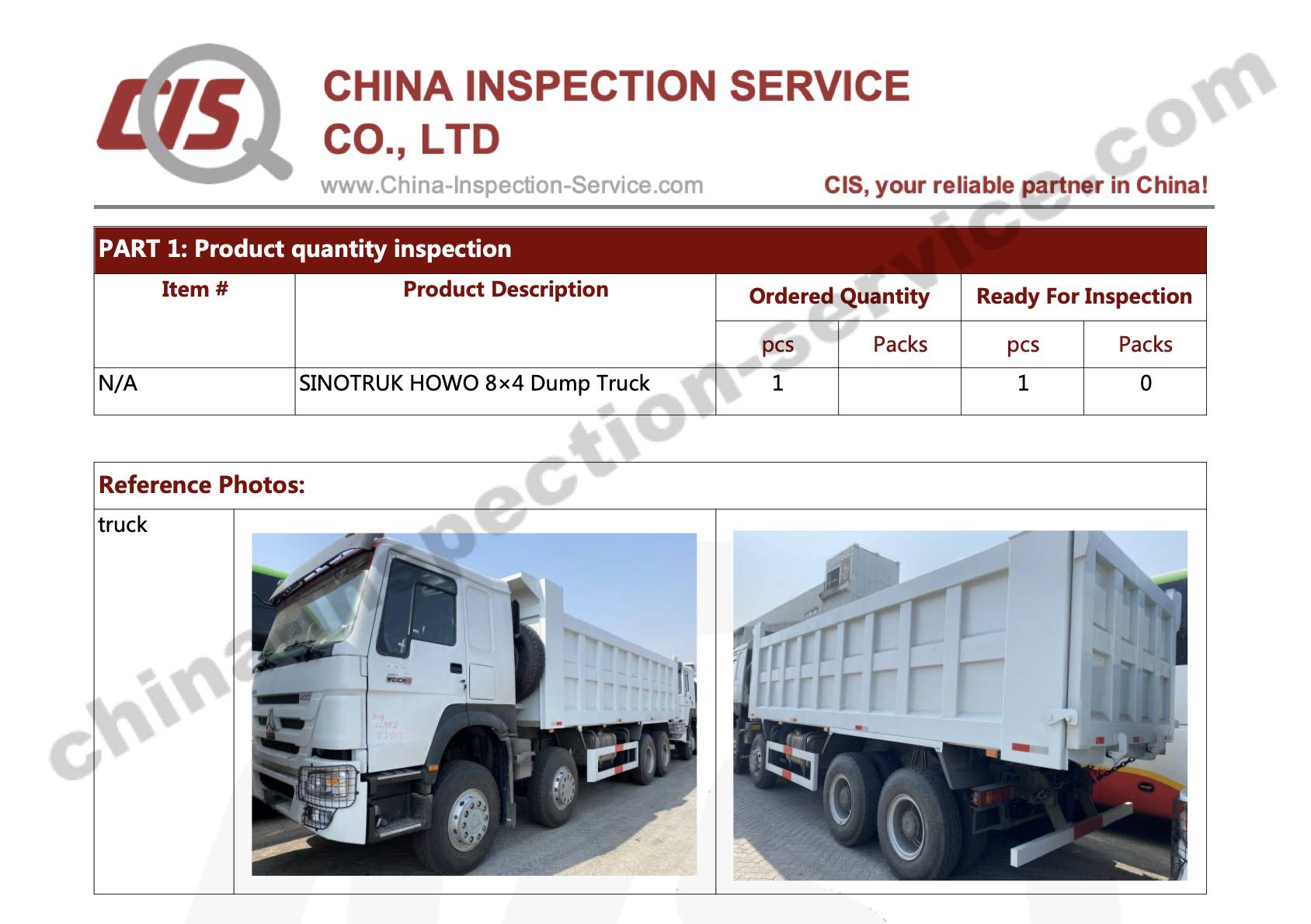
Most quality problems in China sourcing don't happen because a factory is dishonest — they happen because no one is watching while production runs. A production inspection performed mid-run and a PSI inspection performed at the end are the two checkpoints that catch issues while you still have time to fix them. Knowing when to use each one is one of the most overlooked skills in import quality management.
With the expertise of China Inspection Service Limited, businesses can confidently manage their supply chains and avoid costly mistakes. A professional inspection helps you maintain quality, protect your brand, and build long-term success in international markets.
What Is a Production Inspection?
A production inspection refers to quality checks carried out while your order is actively being manufactured — not before it starts, and not after it's finished. In the industry, this is most often called a During Production Inspection (DUPRO), typically performed once 20% to 80% of the order is produced.
The purpose is simple: catch defects, material drift, or process errors while the factory still has time to correct them, instead of discovering the same mistake repeated across an entire shipment.
What Does a Production Inspection Check?
Workmanship consistency — verifying that quality on finished units matches your approved sample, not just the first batch shown to you.
Process control — observing whether the factory is following the agreed production method, sequence, and materials.
In-line defect rate — sampling units as they come off the line to estimate the defect rate before the full order is complete.
Packing and labeling progress — checking that cartons, polybags, and labels being prepared match your specification.
Because a production inspection happens mid-run, it gives you a real-time read on whether the order is heading toward an acceptable outcome — or whether you need to intervene before the rest of the run is wasted.
What Is a PSI Inspection?
A PSI inspection — short for Pre-Shipment Inspection — is the final quality control checkpoint, conducted once 100% of your order is finished, packed, and staged for shipment. Unlike a production inspection, which happens while goods are still being made, a PSI inspection only happens after everything is complete.
A PSI inspection is the version of quality control most retail buyers, freight forwarders, and import compliance teams ask for, since it reflects exactly what is about to be loaded into your container.
What Does a PSI Inspection Cover?
AQL-based sampling — inspectors pull a statistically valid sample of cartons across the shipment, following Acceptable Quality Limit standards.
Defect classification — issues are sorted into critical, major, and minor defects to determine if the shipment passes or fails.
Function and safety testing — basic on-site tests appropriate to the product category, such as drop tests or operational checks.
Packaging, labeling, and quantity — confirming carton count, barcodes, country-of-origin marks, and export packaging match your order.
A PSI inspection report gives you the evidence needed to approve shipment, demand rework, or reject the goods — all before the container leaves the factory, which is the cheapest point to resolve any issue.
Production Inspection vs. PSI Inspection: Key Differences
Timing — a production inspection happens mid-manufacturing (20–80% complete); a PSI inspection happens only at 100% completion.
Purpose — production inspection monitors the process as it happens; PSI inspection verifies the finished, packed result.
What you can still change — after a production inspection, the factory can still correct the remaining run; after a PSI inspection, your only options are rework, replacement, or rejection.
Who typically requires it — production inspection is usually requested by the importer for risk control; PSI inspection is often required by retail buyers, marketplaces, or compliance programs.
Neither inspection replaces the other. A production inspection without a final PSI inspection means no one verifies the finished, packed shipment. A PSI inspection without an earlier production inspection means you only find out about a process problem after the entire order is already built.
Why Skipping One of These Inspections Is a Costly Gamble
Importers who rely on only one checkpoint commonly run into the same pattern: a defect that could have been caught mid-run instead shows up across 100% of the finished units, discovered only during the PSI inspection — or worse, after the goods have already landed.
Entire shipments rejected by retail buyers like Amazon, Walmart, or Target for failing incoming quality checks.
Customs delays from mislabeled cartons — a mid-production check would have caught early.
Expensive air-freight replacements when defects are discovered only after sailing.
A production inspection and a PSI inspection together cost a fraction of what a single failed shipment costs in rework, chargebacks, or lost retail accounts.
How China Inspection Services Supports Both Checkpoints
China Inspection Services Limited, based in Shenzhen with coverage across mainland China, provides on-site production inspection and PSI inspection services for importers worldwide.
Inspectors with 6+ years of experience, qualified by ASQ or AQSIQ standards.
Inspections can be scheduled to start within 48 hours of booking.
Detailed photo reports delivered within 12 hours of the inspection.
Transparent pricing from $248 per man-day, with flexible cancellation up to 4pm China time the day before.
Whether you need a single production inspection to monitor a complex order, or a full program that pairs a mid-run check with a final PSI inspection, an independent third-party inspector gives you visibility into your factory without needing to be there yourself.
Frequently Asked Questions
Q1: What is the difference between a production inspection and a PSI inspection?
A production inspection happens while the order is still being made, usually between 20% and 80% completion, to catch process issues early. A PSI inspection happens only after 100% of the order is finished and packed, verifying the shipment that is about to leave the factory.
Q2: Do I need both a production inspection and a PSI inspection?
For new suppliers, complex products, or high-volume orders, most sourcing professionals recommend both. A production inspection alone leaves the finished, packed shipment unverified, while a PSI inspection alone means problems are only caught after the full order is already built.
Q3: How much does a production inspection or PSI inspection cost?
Pricing is typically charged per man-day. China Inspection Services Limited offers rates starting from $248 per man-day, with most standard inspections completed in a single day and reports delivered within 12 hours.
Q4: What happens if a PSI inspection finds defects?
Defects are classified as critical, major, or minor based on AQL standards. Depending on the result, you can request rework, a partial re-inspection, or reject the shipment before it is loaded onto the container.
Final Thoughts
A production inspection and a PSI inspection are not interchangeable — they answer two different questions at two different stages of your order. One tells you whether the process is on track; the other confirms whether the finished shipment is ready to leave. Using both gives you control over your supply chain instead of finding out about problems after they've already shipped.
Ready to schedule an inspection? Book your quality control service with China Inspection Services Limited today.